Pakistan weighs new borrowing options to ease reserve pressure
 Rabbia Zafar
|
4 days ago
Rabbia Zafar
|
4 days ago
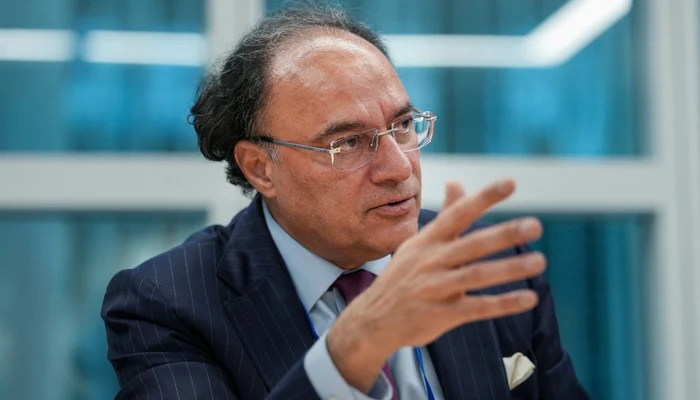
Muhammad Aurangzeb has said the government is exploring multiple financing options, including Eurobonds, bilateral loans and commercial borrowing, to manage foreign reserves as it prepares to repay a $3.5 billion facility to the United Arab Emirates.
Speaking on the sidelines of the IMF World Bank Spring Meetings 2026 in Washington, the finance minister emphasised that “all options are on the table” to maintain macroeconomic stability. Pakistan’s foreign reserves currently cover around 2.8 months of imports, a level the government aims to sustain amid global uncertainty.
The repayment to the UAE, expected this month, has increased pressure on reserves, prompting authorities to consider issuing Eurobonds, Islamic sukuk and dollar-settled rupee-linked bonds. Aurangzeb added that the government is also evaluating commercial loans and may engage friendly countries, including Saudi Arabia, for financial support if needed.
Aurangzeb attends IMF-World Bank spring meetings in Washington
Pakistan is also preparing to launch its first Panda bond — a yuan-denominated instrument — with an initial issuance of $250 million backed by multilateral institutions. This move is part of a broader $1 billion programme aimed at diversifying funding sources and reducing reliance on traditional debt markets.
Despite global economic shocks stemming from tensions in the Middle East, Aurangzeb expressed confidence that Pakistan can meet its debt obligations and maintain stability. He noted that economic indicators, including projected GDP growth of around 4% and remittances nearing $41.5 billion, remain supportive.
However, the ongoing crisis has highlighted vulnerabilities in energy security. The minister stressed the need for strategic petroleum reserves and a faster transition to renewable energy to reduce exposure to external shocks. He said such measures are essential to strengthen long-term resilience and safeguard the economy against future disruptions.

Cow injured in Muzaffargarh as unknown attackers cut tongue

Robert Downey Jr returns as Doctor Doom in Marvel twist

Child injured after shocking incident at Indian wedding event

Hajj operations begin from Multan with first flight to Madinah

Pakistan’s nationwide anti-polio campaign reaches millions of children

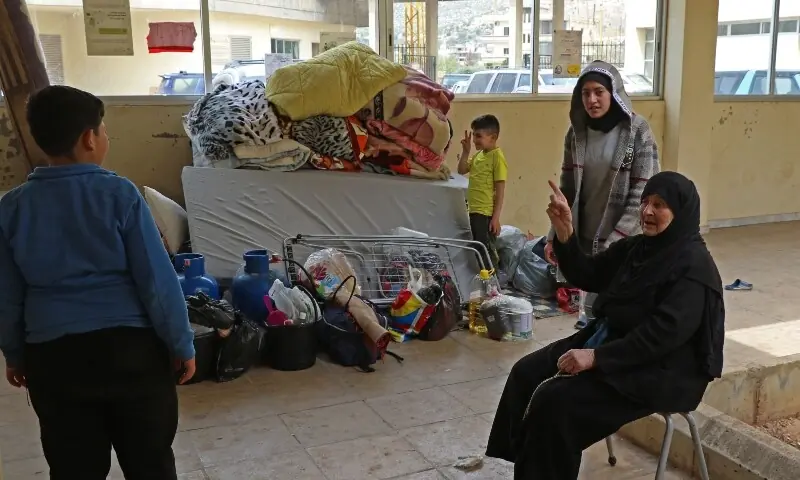
 Residents of the southern Lebanese city of Nabatiyeh are grappling with the aftermath of a deadly airstrike that flattened a…
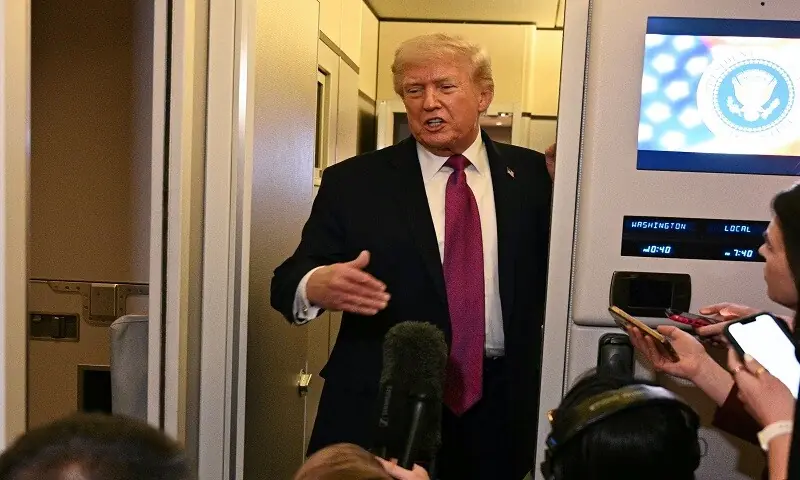
 Former US President Donald Trump has said that a government review of UFO-related material has uncovered a number of “very…
 Large public gatherings were held in Iran and Yemen as demonstrators expressed political solidarity with regional leadership and allied movements.…
- Tensions between the United States and Iran escalated again on Saturday as President Donald Trump said the US may continue…

 Pakistan’s second national anti-polio campaign of 2026 is continuing across the country, with efforts now in its sixth day as…
 A shocking report by BBC has triggered nationwide outrage in Pakistan after alleging severe medical malpractice at a Tehsil Headquarter…
 Pakistan’s second National Anti-Polio Campaign of 2026 is continuing across the country with full momentum, as health workers aim to…
 A new case of monkeypox has been reported in Karachi, raising fresh concerns among health authorities in the city. According…